

Building Resilient Health Systems: Akwa Ibom and Bauchi States Develop Strategic Plans to Advance Health Security
AN EPIC SUCCESS STORY
Strengthening Nigeria’s capacity to prevent, detect, and respond to public health threats requires coordinated action at all levels of government. In line with this commitment, the United States Government-funded Meeting Targets and Maintaining Epidemic Control (EpiC) Global Health Security Project implemented by FHI 360, working in collaboration with the Nigeria Centre for Disease Control and Prevention (NCDC), the Federal Ministry of Health and Social Welfare and the Federal Ministry of Livestock Development, convened a two-day Strategic Action Plan Development Engagement for Akwa Ibom and Bauchi States.
The workshop, which held in Abuja from 14th to 15th May, 2026 brought together state government representatives and technical experts to strengthen the implementation of Antimicrobial Resistance (AMR), Infection Prevention and Control (IPC), and Evidence-based Public Health Messaging (EMCE) interventions through integrated planning and multisectoral collaboration.
This engagement forms part of ongoing efforts to strengthen subnational health security systems and support states in translating national priorities into actionable, context-specific interventions. Participants worked to identify implementation gaps, align priorities across thematic areas, and develop strategic actions that will improve preparedness, prevention, surveillance, and community engagement outcomes within their respective states.
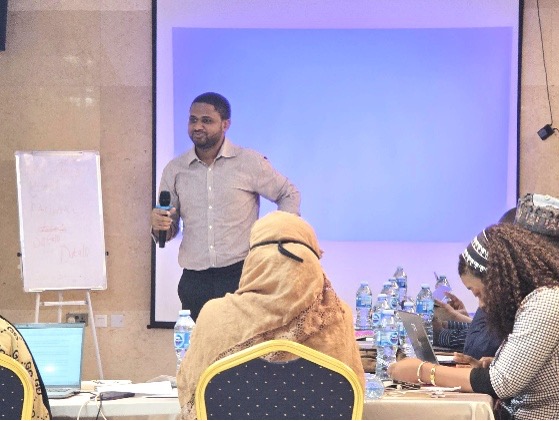
In her opening remarks, Dr. Tochi Okwor, Head of the Department of Disease Prevention at NCDC, represented by Dr. Muzzamil Gadanya, underscored the importance of integrated programming and multisectoral coordination in addressing emerging and existing public health threats. She emphasized the need for stronger cross-sector collaboration to improve surveillance systems, infection prevention practices, antimicrobial stewardship, and communityengagement.
The EpiC Global Health Security Project team provided an overview of the project’s support for Nigeria’s health security agenda, highlighting ongoing investments to strengthen preparedness and emergency response systems through technical assistance, capacity building, and coordinated planning at national and subnational levels.
Technical sessions led by NCDC specialists focused on practical approaches for strengthening AMR, IPC, and RCCE implementation within state health systems. Discussions examined opportunities for integration across the three pillars, recognizing that effective disease prevention and outbreak response depend on strong coordination between surveillance systems, healthcare facilities, and communities.
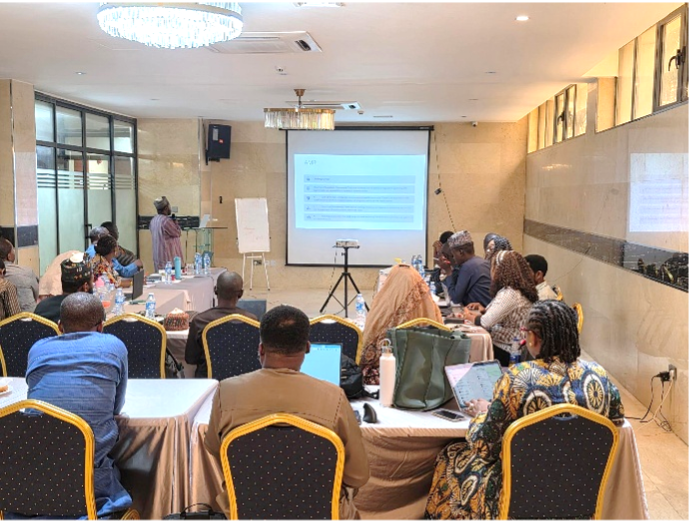
Representatives from Akwa Ibom and Bauchi States presented their current implementation landscape, outlining achievements, challenges, and priority areas for improvement. Common challenges identified included gaps in coordination structures, limited surveillance and reporting mechanisms, insufficient community engagement platforms, and the need for enhanced awareness and compliance measures related to infection prevention and antimicrobial resistance.
A key outcome of the engagement was the development of draft strategic action plans tailored to each state’s context and priorities. Through collaborative breakout sessions, participants identified priority actions, implementation milestones, and timelines aimed at strengthening health security systems and improving coordination across sectors. The process also provided an opportunity for peer learning and knowledge exchange between states and technical partners.
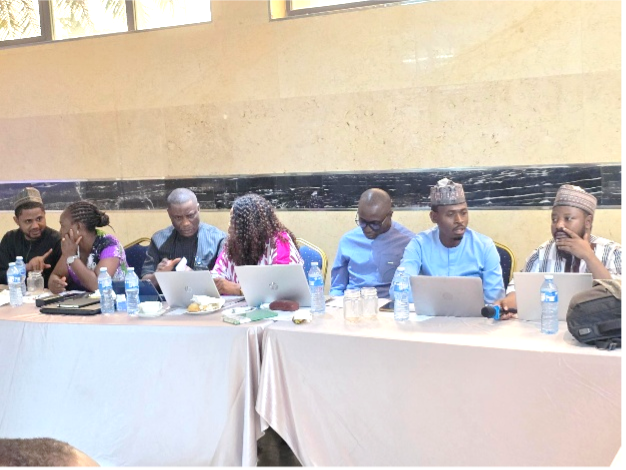
The engagement concluded with a shared commitment among stakeholders to finalize and operationalize the strategic action plans, while continuing to strengthen partnerships that support resilient and responsive health systems. By advancing integrated approaches to AMR, IPC, and RCCE implementation, Akwa Ibom and Bauchi States are taking important steps toward enhancing preparedness for public health emergencies and contributing to Nigeria’s broader health security objectives