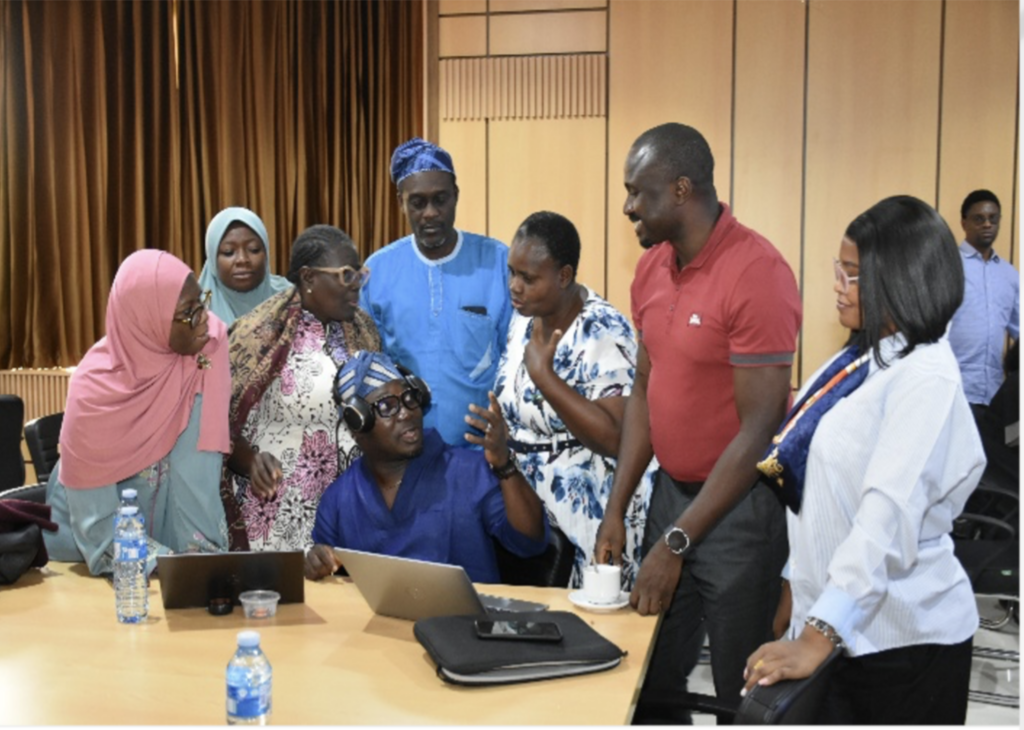
EpiC Supports Three Nigerian States to Develop Localized Health Communication Materials for Evidence-Based Public Health Messaging
AN EPIC SUCCESS STORY
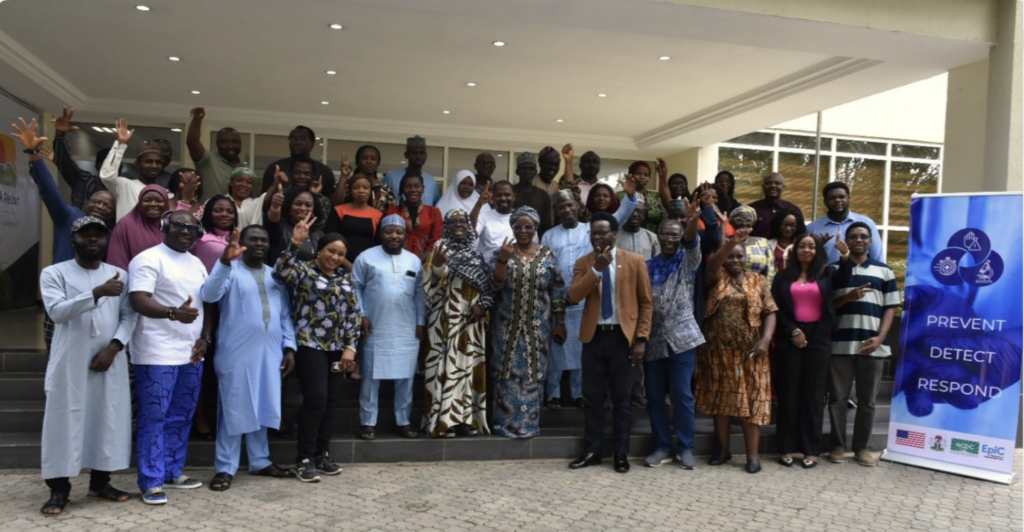
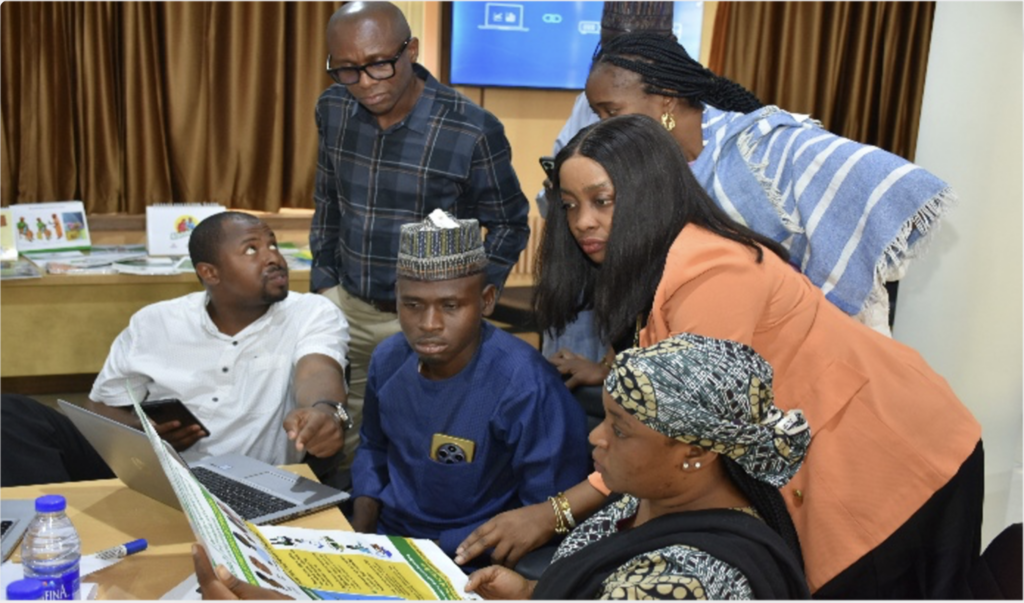
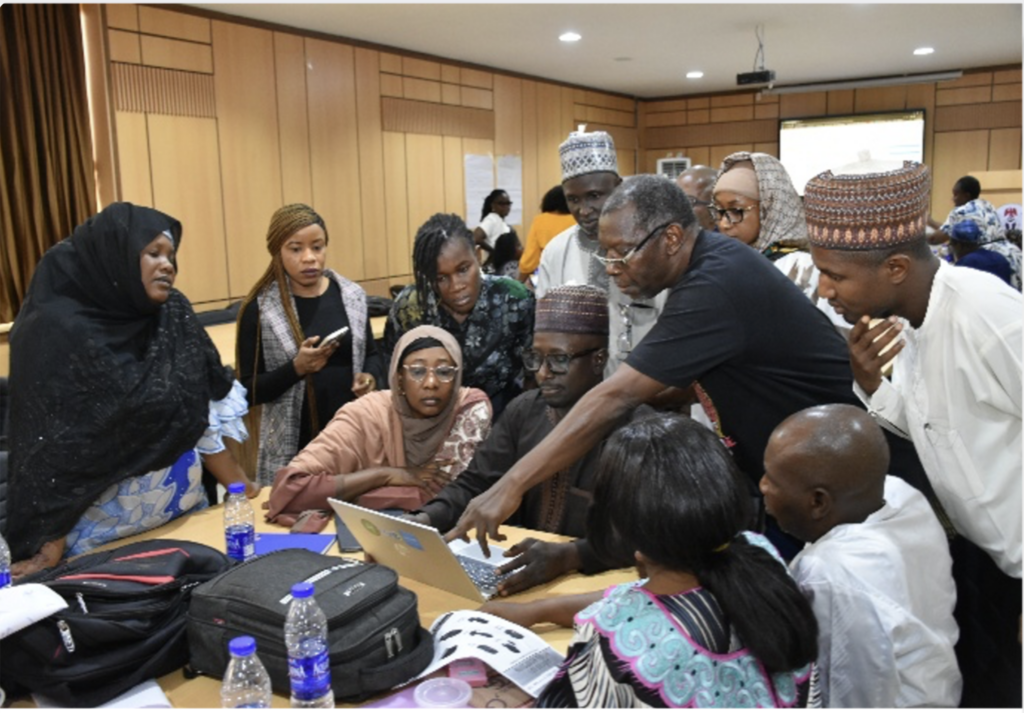
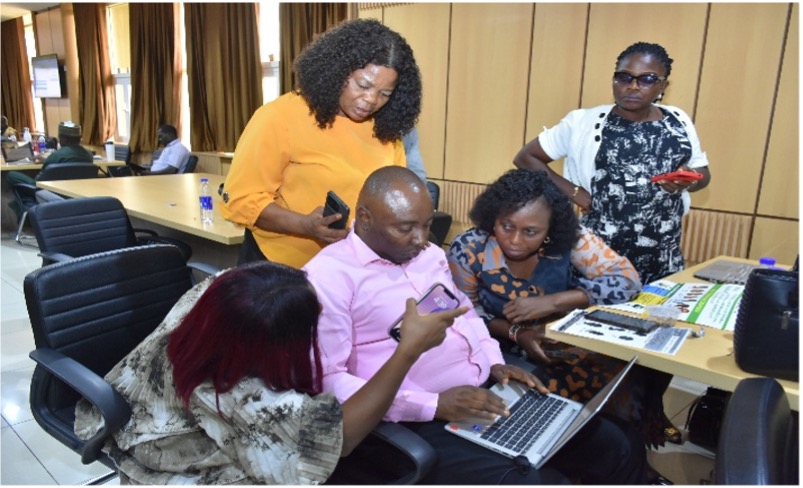
The Nigeria Centre for Disease Control and Prevention (NCDC) and the National Primary Health Care Development Agency (NPHCDA), with support from the United States Government-funded EpiC project, has concluded a workshop that supported the development of audience-centred communication tools across priority diseases and health risks, and strengthened the capacity of public health and communication officers from Lagos, Bauchi, and Akwa Ibom states. The workshop produced localised health communication materials, including 89 creative briefs and 28 draft communication products tailored to the priorities of the three states.
The six-day Messages and Materials Review, Adaptation and Development (MMD) Workshop, held from June 15 to 20, 2026, and convened 47 participants, including state epidemiologists, health promotion officers, social behaviour change specialists, graphic designers, and a Hausa translator. Communication products for priority Global Health Security (GHS) and Maternal, Newborn, Child Health and Nutrition (MNCH+N) diseases were collectively developed.
For participants, the workshop stood apart from previous training experiences because of both its practical outputs and its collaborative approach. According to Dr. Ahmad Sambo, State Epidemiologist, Bauchi State, it placed the right mix of technical, communication, design, and translation expertise in the same room, allowing state teams to create materials that were relevant, usable, and grounded in local realities.
“I have been to many workshops, but this one is different. It brings the right people to the table. The materials we developed will have a great impact on the health system in Bauchi State, particularly maternal and child health.” Dr. Sambo stated..
The workshop responded to the communication challenge of reaching communities that primarily communicate in Hausa. Previous health materials were largely available in English, limiting their usefulness in a state with low literacy levels, especially in rural communities where maternal mortality remains a pressing concern. Through the workshop, Bauchi developed communication briefs on maternal and child health priorities alongside priority diseases, including Lassa fever, Mpox, Cholera, Cerebrospinal Meningitis, and Yellow Fever. Six briefs in each category were translated into Hausa, giving health workers bilingual tools that reflect the diseases, languages, and health concerns of the communities they serve.
For Akwa Ibom, the workshop marked a significant milestone. The state produced its own Information, education, and communication (IEC) materials for the first time, 29 briefs including diseases such as Ebola, Lassa fever, Mpox, and Cholera, as well as maternal, newborn, and child health priorities. Each product is grounded in the cultural and linguistic realities of the state’s communities. Dr. Nchiek Eneh, the state epidemiologist, said her team returned not just with finished products but with the skills to keep developing more independently.
“We were able to learn new things, such as the size of papers to use, the language that is appropriate, the graphics that are appropriate. They were able to build us without breaking us, and we are going on with messages that will transform our people,” Dr. Eneh stated.
Lagos came to the workshop with some IEC materials already in circulation, but the workshop challenged the state to rethink how those materials were designed. The participants acknowledged that the materials held generic messages developed for a broad population rather than targeted to specific audiences, unhealthy behaviours, or barriers that drive health decisions, limiting their usefulness in the state’s diverse communities.
The Lagos team developed 25 briefs covering 11 disease areas, including Ebola, Yellow Fever, and Cholera, each now tailored to a defined audience segment and targeted behaviour. Ogunyinka Segun, the public affairs officer at the Lagos State Ministry of Health, said the shift in approach changes everything going forward.
“It is not going to be a one-size-fits-all anymore. It is going to be a deliberate, specific, scientific way of developing content for our demography in Lagos State,” Mr Segun said.
For NCDC, the significance of the workshop extends beyond the materials themselves. Diseases such as Ebola, Lassa fever, Mpox, and Cholera do not announce their arrival, and the communities most vulnerable to them are often the least prepared to respond. Developing communication materials before an outbreak, rather than scrambling to produce them in response to one, is a deliberate shift in how Nigeria approaches epidemic preparedness. Accurate, culturally appropriate evidence-based public health messages about transmission, prevention, and when to seek care can slow the spread of a disease in its earliest hours. NCDC says that equipping states with ready-to-deploy IEC materials is a frontline public health strategy.
The workshop, however, was not the finish line. Each state left with a pretesting plan, a structured roadmap for testing materials with real community members before any product goes to print or distribution. Pretesting is the step that closes the gap between what communicators intend and what communities actually understand, and all three states have committed to completing it before their materials are finalised.
To support this next phase, NCDC, NPHCDA, and the EpiC project team are planning a follow-up orientation to equip state teams with the tools and guidance needed to conduct community pretesting effectively. The states have also updated their workplans, outlining how each team will move from draft materials to field-ready products in the coming weeks.