FHI 360 EpiC Nigeria Strengthens Outbreak Preparedness and Response in Akwa-Ibom State: Generating Evidence through Laboratory Needs Assessment
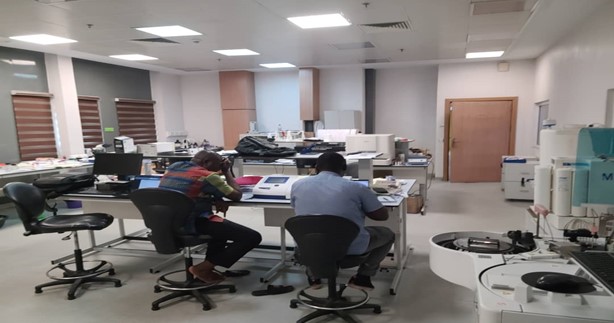
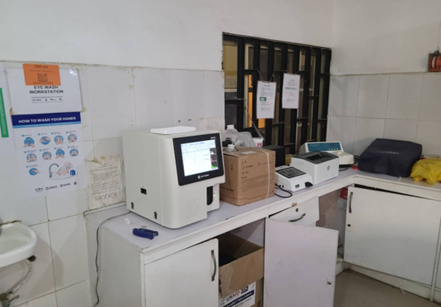
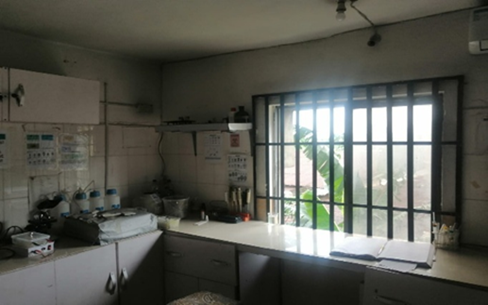
FHI360 EpiC project, in collaboration with the Nigeria Centre for Disease Control and Prevention (NCDC) and the Akwa Ibom State Ministry of Health (SMOH), conducted a comprehensive laboratory needs assessment across Akwa Ibom State, from 11th to 22nd August 2025.
The exercise attracted collaboration from WHO State Office, University of Uyo Teaching Hospital (UUTH), Ibom Specialist Hospital, State Ministry of Health, the Hospital Management Board, Primary Healthcare Development Agency, and private-sector representatives.
The Nigerian Joint External Evaluation (JEE) and the National Action Plan for Health Security (NAPHS) have emphasized the urgent need to strengthen laboratory systems and integrate diagnostic networks at the subnational level. EpiC’s goal is to strengthen Akwa Ibom State’s capacity to detect and respond to priority diseases through a comprehensive laboratory needs assessment, diagnostic network optimisation, and improved specimen referral systems.
Methodology:
The exercise covered 86 laboratories selected by stratified sampling across all 31 Local Government Areas (LGAs) in the State. The assessment employed a mixed-methods design, integrating quantitative facility surveys and qualitative stakeholder interviews. The World Health Organization (WHO) Laboratory Assessment Tool (LAT) and related diagnostic network tools were used for data collection. Facilities assessed included public, private, and public–private health facilities, spanning primary, secondary, and tertiary levels of care.
The Akwa-Ibom State laboratory assessment evaluated laboratory capacity, identified diagnostic and referral network gaps, and recommended strategies for strengthening outbreak preparedness and response in the State.
Key findings revealed significant gaps in infrastructure, workforce, quality management systems, biosafety/biosecurity, specimen referral, and utilization of molecular laboratories.
The assessment resulted in a plan to create a detailed, costed roadmap for enhancing the state’s diagnostic network. This initiative is expected to greatly improve Akwa Ibom’s health security by boosting diagnostic capacity and outbreak response.