

Building Resilient Health Systems: The National Sustainability Framework for Medical Oxygen Systems in Nigeria
AN EPIC SUCCESS STORY
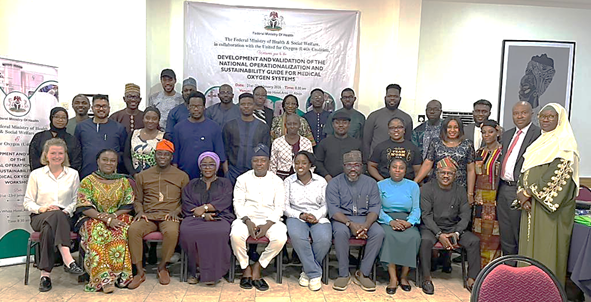
Last week, from January 21st to 23rd, 2026, stakeholders from across Nigeria’s medical oxygen ecosystem convened in Abuja for a pivotal three-day workshop that may well reshape the future of medical oxygen access in the country. Facilitated by the Oxygen Desk of the Department of Hospital services at the Federal Ministry of Health (FMoH) and Social Welfare, with support from FHI 360’s EpiC project and United for Oxygen (U4O) partners, the gathering resulted in the development of a National Sustainability Framework for Medical Oxygen Systems-a roadmap designed to help states build, maintain, and safeguard life‑saving oxygen infrastructure for years to come.
Why This Framework Matters
Medical oxygen is one of the most critical components of a functioning health system. Following the COVID-19 pandemic, several donors and partners have made huge investments in Nigeria’s medical oxygen ecosystem to enhance patient access to medical oxygen. The FHI 360 EpiC project, with support from the US Government, has made significant investments in supporting the Nigerian government to improve access to medical oxygen in the country. EpiC has procured and installed LOX tanks in 13 strategically selected tertiary health facilities across 12 States in the country, provided infrastructure upgrades, including piping of 150 beds in select facilities, a six-month supply of Liquid medical oxygen, and capacity-strengthening activities across Hypoxeamia management, data management systems, and quality assurance and compliance activities for clinicians and Biomedical engineers/technicians.
Yet, sustaining oxygen infrastructure, including PSA plants, Liquid Oxygen tanks (LOX), and medical gas piping systems (MGPS), as well as maintenance systems, has remained a challenge for many states. High maintenance costs, inconsistent financing, inadequate technical capacity, and weak governance structures have often resulted in broken equipment, abandoned infrastructure, stock-outs, and preventable loss of lives.
This newly developed sustainability framework when disseminated, will directly address these challenges. It represents a shift from project-based oxygen provision to system-based, government-led, and financially sustainable models, giving states the tools they need to protect previous investments, plan long-term, and ensure uninterrupted oxygen availability in health facilities.
What the Sustainability Framework for Medical Oxygen Offers
- Governance & Institutional Framework
- Finance
- Capacity Building & Human Resource Development
- Operations, Maintenance & Supply Chain Management
- Monitoring, Evaluation & Reporting Framework
- Risk Management & System Resilience
Collaboration at its best
The development of this framework was a collaborative achievement, led by the Federal Ministry of Health and Social Welfare Oxygen Desk technical leadership and team, with contributions from:
FHI 360 EpiC project team
United for Oxygen partners such as CHAI, UNICEF, and other technical experts including
Biomedical engineers, clinicians and supply chain actors
This multi-stakeholder approach ensures the framework is not only technically sound but also practical, context-appropriate, and aligned with national priorities.
A Tool for States to Secure Sustainable Oxygen Access
With this framework, states would have a ready-to-use blueprint that can be tailored to their context. Whether a state is building new oxygen systems or strengthening existing ones, the sustainability plan provides actionable steps to ensure that oxygen plants, cylinders, piping systems, and delivery equipment remain functional, accessible, and affordable. Ultimately, this work brings Nigeria one step closer to achieving resilient health systems capable of protecting its population—not only in emergencies, but every day.
What’s Next?
The next phase will focus on disseminating the validated framework to states, building capacity for implementation, and supporting state-level adaptation. As more states begin to adopt this model, Nigeria will see improved oxygen access and reliability, reduced downtime, and better outcomes.
The commitment demonstrated over the three days in Abuja affirms a shared vision: ‘No patient should die because medical oxygen is unavailable’.
As we move forward, state governments, development partners, and health leaders all have a role to play. The tools are now in our hands. What matters next is how we use them.
- Policymakers, advocate for adopting this framework in your state.
- Healthcare workers, champion the practices that make oxygen systems sustainable.
- Development Partners align investments with long‑term system strengthening.
Together, we can ensure that no patient in Nigeria is denied oxygen because a system failed.
Now is the moment to act. Let’s build the resilient oxygen ecosystem our Nation deserves.
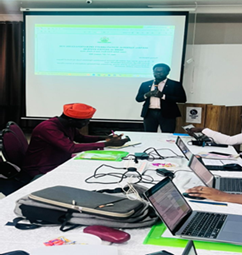
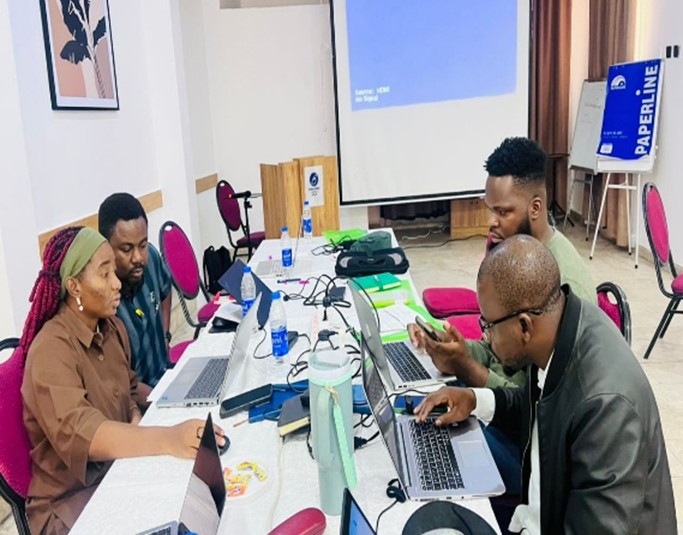
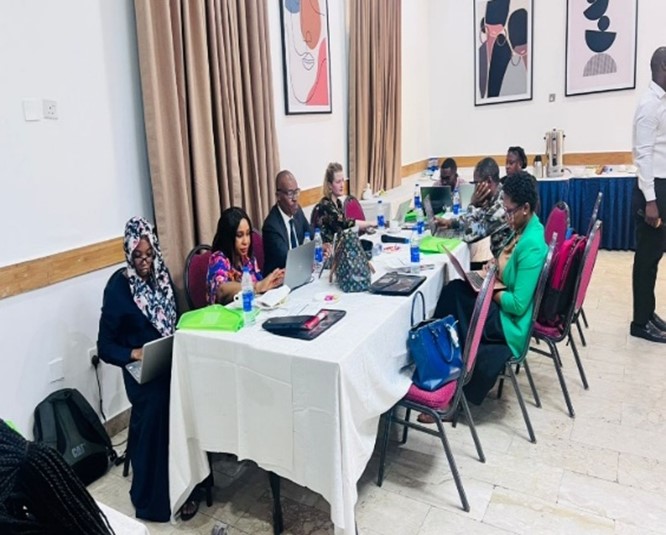
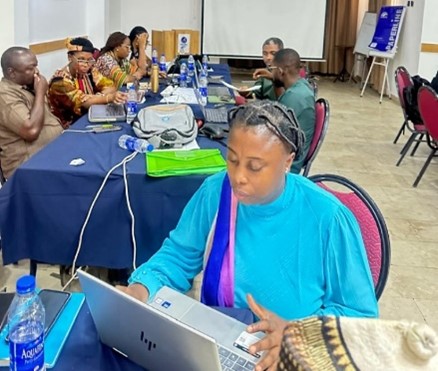
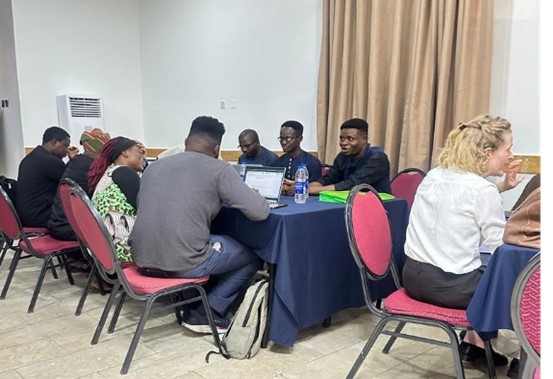
FMoH and U4O partners group work sessions in the Sustainability Framework Development Workshop